Vegetable Crop Update – May 31, 2026

In this issue:
- Potato early and late blight disease modeling and risk updates
- Rhizoctonia in vegetables – updates and recommendations for management in tomato
- Seedcorn maggot updates and management
- Colorado potato beetle updates and management
Amanda Gevens, Professor & Extension Vegetable Pathologist, UW–Madison, Dept. of Plant Pathology, 608-575-3029, gevens@wisc.edu
Current P-Day (Early Blight) and Disease Severity Value (Late Blight) accumulations
Thanks to Ben Bradford, UW- Madison Entomology for supporting this effort and providing a summary reference table: https://agweather.cals.wisc.edu/thermal-models/potato. A Potato Physiological Day or P-Day value of ≥300 indicates the threshold for early blight risk in potato and triggers preventative fungicide application. A Disease Severity Value or DSV of ≥18 indicates the threshold for late blight risk and triggers preventative fungicide application in potato. Data from the modeling source: https://agweather.cals.wisc.edu/vdifn are used to generate these risk values in the table below. I’ve estimated early, mid-, and late planting dates by region based on communications with stakeholders. These are intended to help in determining optimum times for preventative fungicide applications to limit early and late blight in Wisconsin.
| Location | Planting Date Dates in future are anticipated or not yet listed (To Be Determined or TBD) | 50% Emergence Date | Disease Severity Values (DSVs) through 5/30/26 | Potato Physiological Days (P-Days) through 5/30/26 | |
| Spring Green | Early | Apr 10 | May 7 | 2 | 151 |
| Mid | May 5 | May 20 | 0 | 79 | |
| Late | May 16 | TBD | TBD | TBD | |
| Arlington | Early | Apr 12 | May 8 | 0 | 142 |
| Mid | May 6 | May 23 | 0 | 66 | |
| Late | May 20 | TBD | TBD | TBD | |
| Grand Marsh | Early | Apr 13 | May 9 | 0 | 128 |
| Mid | May 6 | May 22 | 0 | 69 | |
| Late | May 21 | TBD | TBD | TBD | |
| Hancock | Early | Apr 14 | May 11 | 1 | 123 |
| Mid | May 10 | May 30 | 0 | 8 | |
| Late | May 23 | TBD | TBD | TBD | |
| Plover | Early | Apr 15 | May 12 | 1 | 120 |
| Mid | May 10 | May 30 | 0 | 8 | |
| Late | May 25 | TBD | TBD | TBD | |
| Antigo | Early | May 12 | TBD | TBD | TBD |
| Mid | May 25 | TBD | TBD | TBD | |
| Late | TBD | TBD | TBD | TBD | |
| Rhinelander | Early | May 15 | TBD | TBD | TBD |
| Mid | May 28 | TBD | TBD | TBD | |
| Late | TBD | TBD | TBD | TBD | |
Late blight of potato/tomato
The southern locations of early-planted potatoes have accumulated 1 or 2 Disease Severity Values or DSVs as of yesterday (5/30). This indicates that late blight favorable weather has occurred, since ~50% crop emergence. However, we have not yet accumulated enough late blight-favorable weather to warrant a preventative fungicide application to target this disease. With warmer weather over the past several days, we will begin reaching emerge for many more regions of the state.
Early blight of potato
Once we see potato crops at 50% emergence, P-Days will begin to accumulate to aid in anticipating early blight. P-Day values will continue to amass and develop conditions optimum for early blight disease caused by Alternaria solani. Fungicides can provide good control of early blight in vegetables when applied early on in infection. Multiple applications of are recommended for optimum disease control through the season to vine-kill. Earliest emerging fields are at roughly 150 P-Days.
Rhizoctonia root rot and stem canker in tomato
Rhizoctonia root rot and stem canker caused by the soilborne fungus Rhizoctonia solani can be a significant challenge in Wisconsin tomato production, especially under cool soils, excessive moisture, compacted soils, or where tomatoes follow susceptible vegetable crops. Disease symptoms often begin shortly after transplanting and include stem constriction at the soil line, poor root development, uneven vigor, lower stem lesions, and eventual plant decline. Management is most successful when an integrated approach is used that combines cultural practices with biological or fungicidal protection.
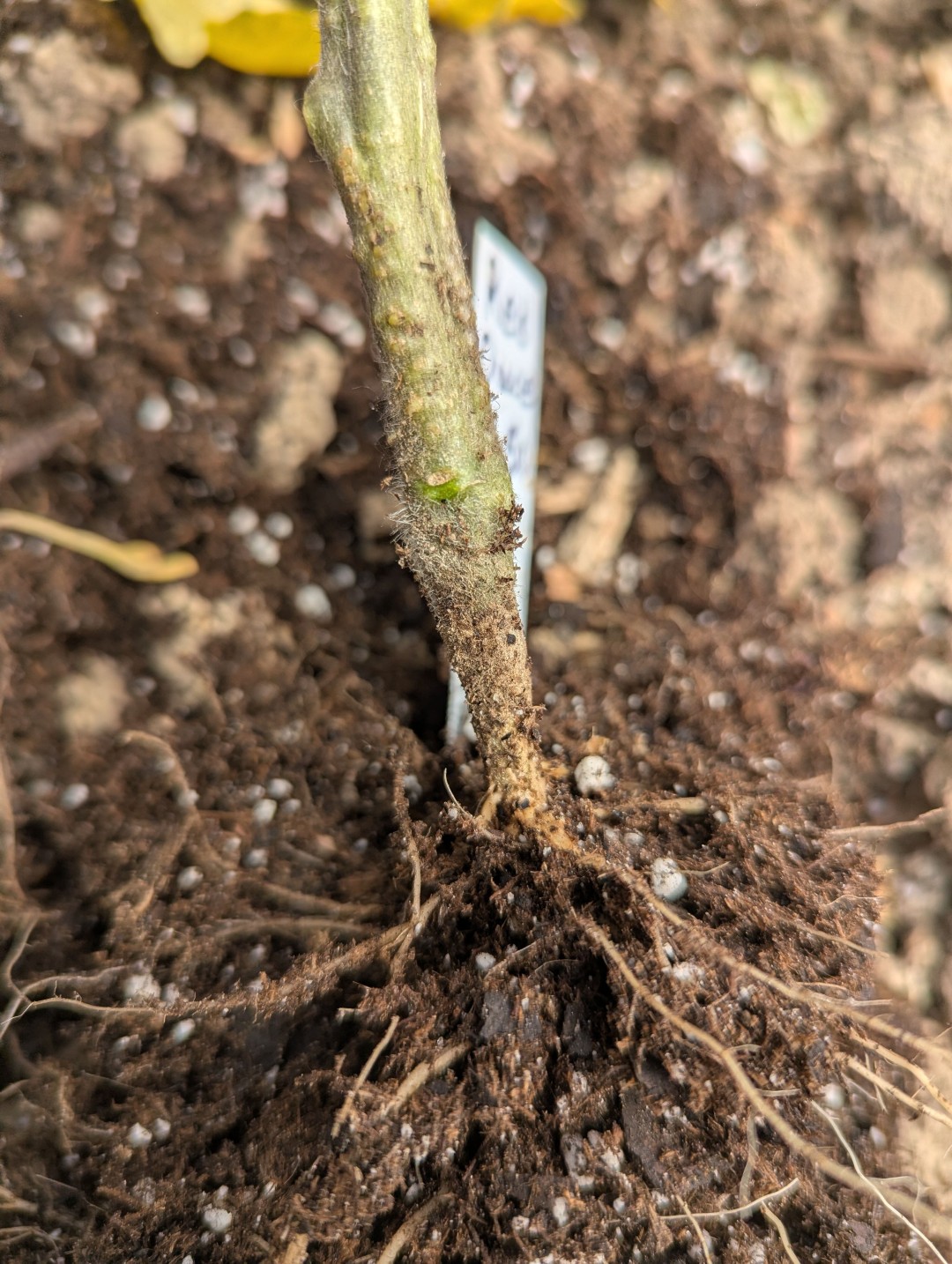
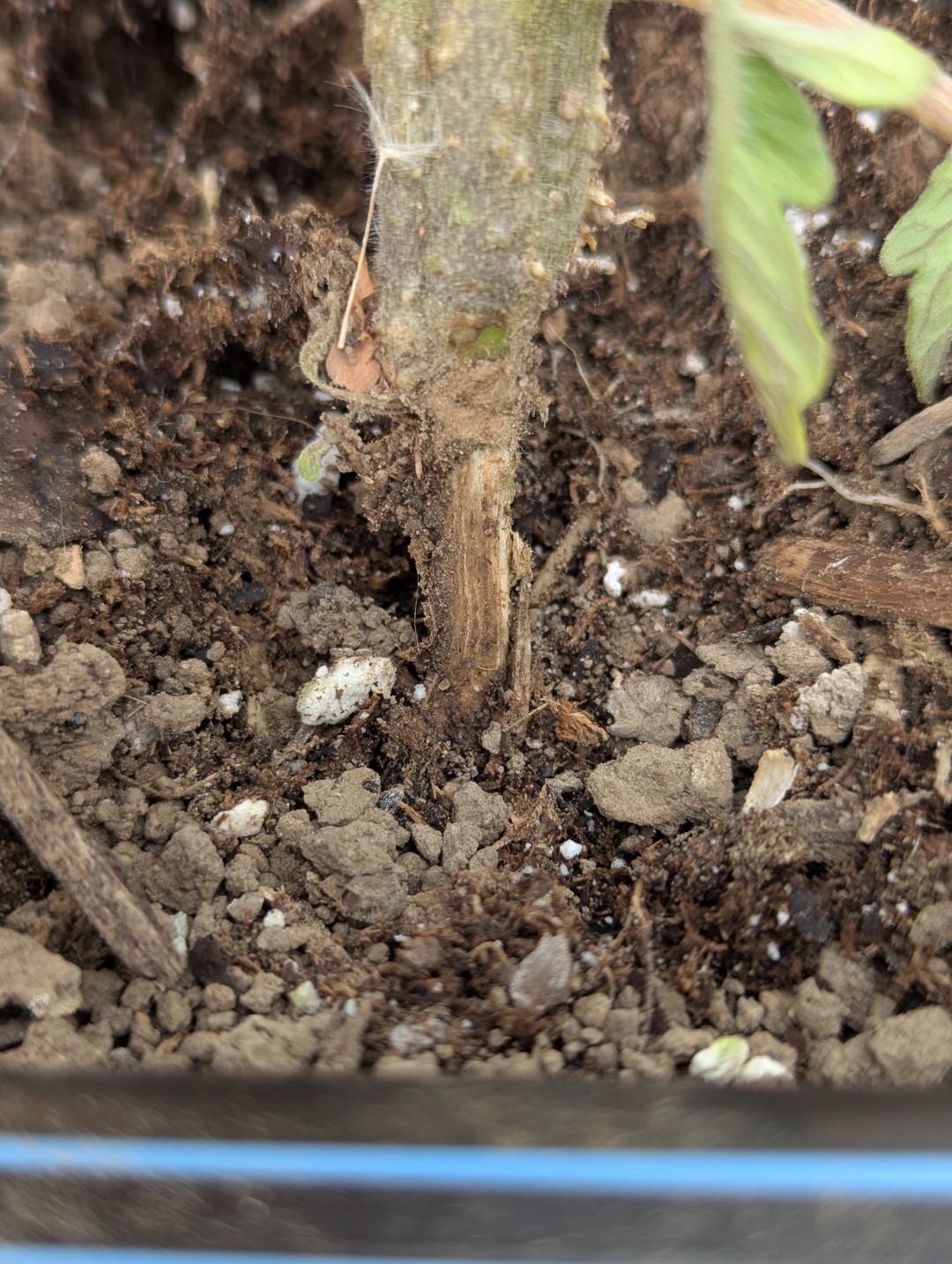
Key integrated management recommendations for both conventional and organic systems
- Use vigorous, disease-free transplants with well-developed root systems.
- Avoid transplanting into cold, saturated soils (plant into >60°F when possible).
- Promote rapid root establishment through raised beds and good drainage.
- Avoid excessive soil compaction and overwatering immediately after transplanting.
- Rotate away from susceptible hosts for 2–3 years when feasible. Hosts include many vegetables such as potato, bean, pepper, lettuce, cucurbits, and brassicas.
- Minimize fresh undecomposed organic matter immediately before planting, which may favor pathogen activity.
- Use plasticulture or mulches to warm soils and reduce moisture fluctuation.
- Maintain balanced fertility; excessive ammonium nitrogen can favor disease development.
Organic Certified Rhizoctonia Management Program
- Biological transplant drench at planting. The most consistent organic suppression of Rhizoctonia in vegetables typically comes from biological antagonists applied directly to the transplant root zone. Active organisms include: Trichoderma harzianum, Trichoderma virens, Bacillus subtilis, Bacillus amyloliquefaciens, Streptomyces lydicus. Common OMRI-listed examples may include chitosan formulations, RootShield PLUS+, Double Nickel, Actinovate, Regalia, and Serenade Soil. Other inputs that may be useful on the foliage to reduce disease include hydrogen peroxide and peroxyacetic acid formulations. Applications are most effective when they are applied directly in the transplant water, placed into the root zone, and followed by warm conditions favoring rapid root growth.
- Soil health and organic matter management. Organic systems benefit greatly from microbial competition and improved soil structure. Recommended practices include: i) incorporate well-composted organic matter well ahead of transplanting, ii) utilize cover crops that improve soil aggregation and microbial diversity, iii) avoid excessive fresh poultry manure or unstable composts immediately before planting.
- Anaerobic soil disinfestation (ASD) or soil solarization. For high-value organic tomato systems with chronic disease pressure, ASD using carbon sources and tarp sealing can reduce Rhizoctonia pathogen inoculum (and other pathogens in the soil). Soil solarization may provide partial suppression during warm Wisconsin summers. A nice summary of ASD based on their extensive work at Ohio State University can be found here from Drs. Anna Testen and Sally Miller: https://ohioline.osu.edu/factsheet/hyg-3315
- Essential oil or natural product additions. Some growers have observed suppression using thyme or clove oils, mustard-derived biofumigant products, or compost extracts. These materials are generally supplemental and less reliable than biological root-zone protection.
Conventional Rhizoctonia Management Program
- In-Furrow or transplant water fungicide protection. The most reliable conventional suppression comes from targeted fungicides at transplanting. The effectiveness of fungicides after transplanting is variable. The fungus infects at and below the soil line. As such, if you can direct application to the lower stem region, you can reduce disease. Once infected, only fungicides with some systemic activity will be effective. The modification of environmental conditions to improve drainage, reduce cool/wet soil persistence, is best in addressing this disease.
- SDHI fungicides (Most effective group, FRAC 7) are among the strongest tools against Rhizoctonia. Examples include Fontelis (penthiopyrad), Aprovia Top (benzovindiflupyr FRAC 7 + difenoconazole FRAC 3), and Priaxor Xemium (pyraclostrobin FRAC 11 + fluxapyroxd FRAC 7). These materials can suppress root rot, stem canker, and improve transplant success. Applications should target the transplant root zone through i) transplant water, ii) directed spray, iii) or in-furrow placement.
- Strobilurin fungicides (Provide suppression, FRAC 11) are good tools against Rhizoctonia and other diseases. Examples include azoxystrobin (example Quadris), trifloxystrobin (example Trilex), pyraclostrobin (example Cabrio EG), and Veltyma (pyraclostrobin FRAC 11 + mefentrifluconazole FRAC 3). Strobilurin fungicides have shown activity against Rhizoctonia in many vegetable crops when applied in-furrow or banded at planting. Contact fungicides including chlorothalonil (example Bravo) are registered for Rhizoctonia in tomato and can protect above ground plant parts.
Biological and reduced-risk integration
Many Wisconsin growers can improve consistency by combining conventional fungicides, biological transplant drenches, and soil health management. This integrated strategy can reduce fungicide dependence, improve root vigor, and moderate environmental stress impacts.
Wisconsin-Specific Disease Risk Conditions
Rhizoctonia risk is highest in Wisconsin when transplants are set in cool spring soils, planting in soil that had previously been cropped to potatoes or snap beans, soils remain saturated after rainfall, or rapid temperature or moisture fluctuations occur which slow root establishment. Years with prolonged cool and wet May conditions often show the greatest transplant losses. Because Rhizoctonia is strongly influenced by environmental stress, the best outcomes generally occur when fungicides or biologicals are paired with practices that accelerate rapid transplant rooting and minimize early-season stress.
Example of an organic program:
- Raised beds + plastic mulch
- Well-composted organic matter incorporated weeks before planting
- RootShield PLUS+ transplant drench
- Avoid overwatering first 10–14 days
- Rotate with small grains or grasses when possible
Example of a conventional program:
- Raised beds + plastic mulch
- Transplant water application of Velum or Quadris
- Supplemental biological product in transplant water
- Balanced fertility and irrigation management
- Crop rotation and residue decomposition management
Vegetable Insect Update
Russell L. Groves, Professor and Associate Department Chairperson, UW–Madison, Department of Entomology, 608-262-3229 (office), (608) 698-2434 (cell), e-mail: rgroves@wisc.edu, Vegetable Entomology Webpage: https://vegento.russell.wisc.edu/
Seedcorn maggot
More information: https://vegento.russell.wisc.edu/pests/seedcorn-maggot/
The 2nd generation of seedcorn maggot (SCM, Delia platura) has advanced into the state and is across central Wisconsin at the present time. With forecast warm days and nighttime temperatures being above normal for early June, the risk will last for 10-12 days in central Wisconsin. Recall, the 1st generation moved into and across the state in early May, when few susceptible crops were in the ground.
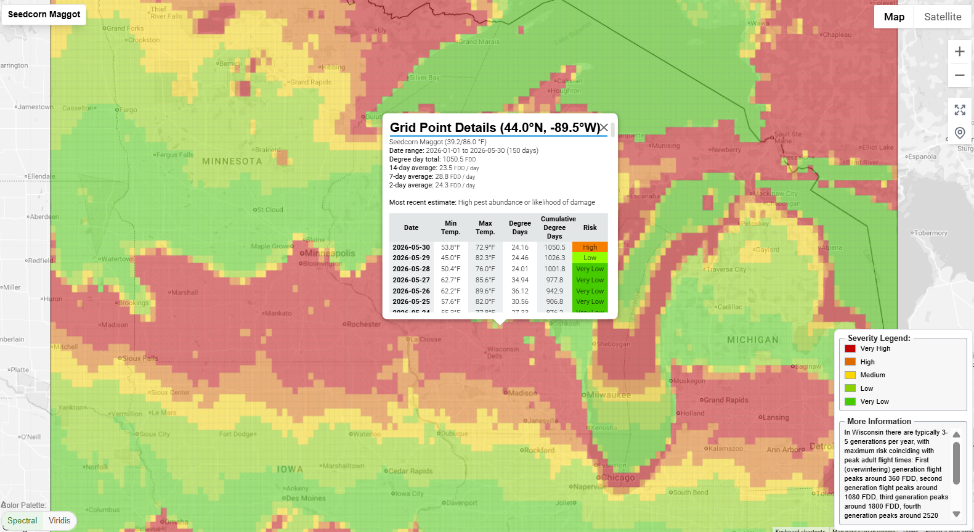
The SCM is a perennial pest of germinating seeds and young seedlings of a wide range of vegetable and agronomic crops. In addition to corn, this insect has a large host range including numerous common vegetable crops including beet, Brussels sprouts, cabbage, cantaloupe, carrot, cauliflower, cucumber, kale, lettuce, bean (lima, snap, red), onion, pea, pumpkin, tomato, and turnip. In high numbers, SCM can decimate entire crop stands if early stands are untreated or if they do not contain seed treatments. SCM can be an increasing problem when susceptible crop crops are planted in succession. Avoidance of the ‘risk interval’ is a very successful and sustainable way to limit damage. If plants are up and growing well now, the risk for damage is very slight. If you are considering planting at this time, you may wish to delay planting until June10-12 to avoid the peak period for adult activity and egg laying.
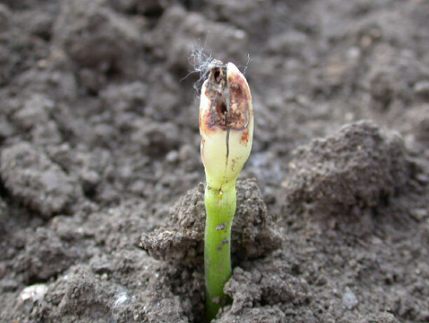
Injury to plants is caused exclusively by the larval stages of SCM. Larvae will feed in the cotyledons and below-ground hypocotyl (stem) tissue of seedling plants, resulting in a variety of damage symptoms. Feeding damage in germinating seeds will often kill seedlings before they emerge. Poor germination or poor stands of susceptible crops may indicate a SCM problem. Often seedlings will survive below ground feeding but emerge with damage to the first true leaves or have no leaves at all (often called “snakehead” seedlings).
Colorado potato beetle
More information: https://vegento.russell.wisc.edu/pests/colorado-potato-beetle/
Potato producers and scouts need to continue checking newly planted fields for colonizing Colorado potato beetle (CPB) adults in outside rows. Where producers have no at-plant, systemic insecticide incorporated at the time of planting, it is very likely to observe many egg masses being laid in the outer rows of fields. If producers did use a systemic insecticide (e.g. AdmirePro®, Belay Insecticide®, Platinum®/Cruiser® 5FS or Verimark® 1.67SC), and adults remain susceptible to these active ingredients, scouts may find few egg masses. If, however, the adult CPB have developed some level of insensitivity, then scouts may find egg masses accumulating on the undersurfaces of lower canopy leaves.
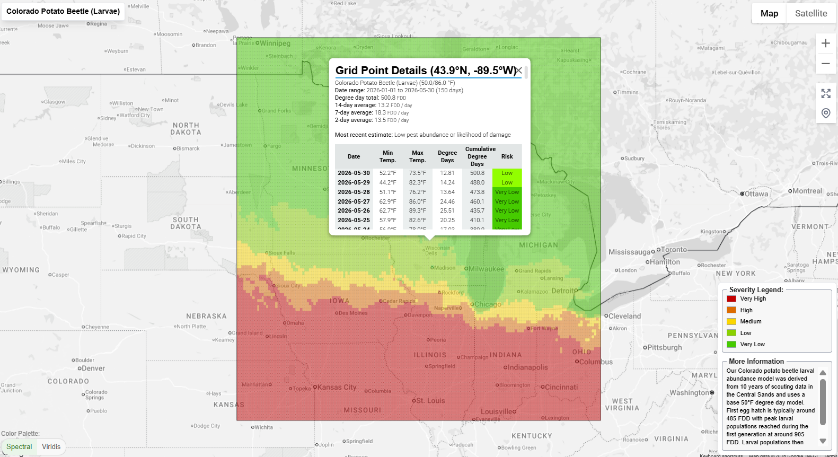
Mentioned last week, early detection of these initial infestations can be especially critical to implement perimeter sprays. The decision to apply a set of perimeter sprays should be based upon an understanding of the distribution of colonizing adults within a field and position of the current field to prior year’s potato production. The application of a contact adulticide (e.g., indoxacarb (Avaunt® eVo), phosmet (Imidan 70-W)) will be most effective when large aggregations of adults are still colonizing the outer rows of current season potato. If adults have already moved past the outer rows (e.g., 25-20 rows) and are distributed all around a field, then a perimeter spray at the current time may not be as advantageous. If adult CPB are still aggregated in these regions and scouts suggest large numbers of egg masses are accumulating in these same areas, then it may be advantageous to add novaluron (Rimon® 0.83EC) to the tank mix to be applied to perimeters.
In very southern portions of Wisconsin (south of the Wisconsin River), producers should be considering initial applications of larvicides since 10% egg hatch may be approaching this week. There are several 1st generation larvicides that can be very effective in controlling this 1st generation of developing CPB, and suggested materials are listed in the attached supplement to this week’s newsletter. In central Wisconsin, it is a bit early to begin larvicide treatments, and most populations will be ready for initial applications by the beginning of the following week (e.g., June 7). With the forecast warm temperatures forecast for the coming week, do pay attention to the developing population as initial applications of novaluron (Rimon® 0.83EC) or ledprona (Calantha®) may be warranted by the end of the week when 10% egg hatch has been reached in southern portions of the Central Sands.
Producers should develop an annual plan of control for the CPB and make efforts to try to limit consecutive exposures of similar mode of action (MoA) insecticide classes across generations as defined by IRAC (iraconline.org). Specifically, pest management practitioners should consider the specific MoA of each insecticide used at different points throughout the production season (Fig. 1). In the attached example, be certain that the compound used for each of the following time points, i) at-plant systemic, ii) perimeter, contact adulticide, iii) 1st generation, foliar larvicide(s), iv) 1st generation rescue, v) 2nd generation, foliar insecticide, are classified as unique MoA to implement the best overall insecticide resistance management plan.
Chemical management
Colorado potato beetle insecticide management options are detailed on the Vegetable Entomology page: https://vegento.russell.wisc.edu/extension/colorado-potato-beetle-management/