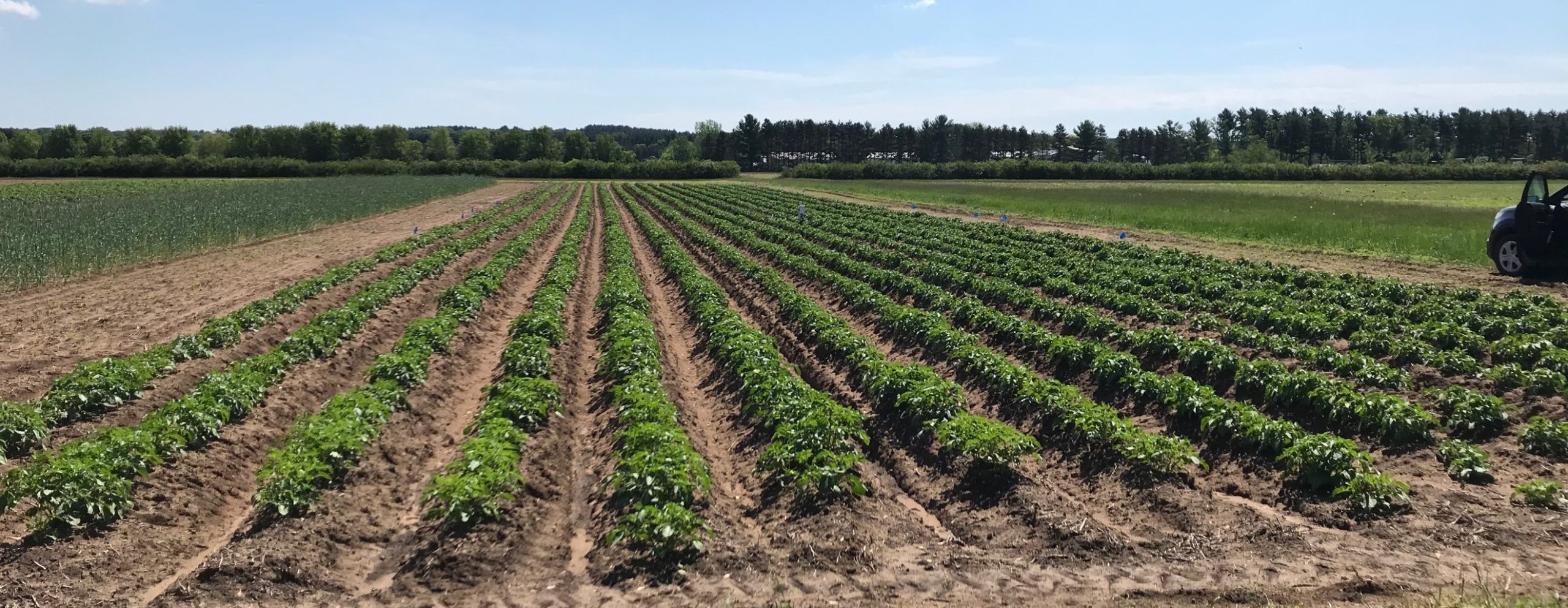
Welcome to the Gevens lab!
My research program investigates the ecology of fungus and fungus-like plant pathogens for enhanced and integrated disease management to support commercial agriculture in Wisconsin. We have three main areas of focus: management of Phytophthora species pathogenic on potato and vegetable crops in field and storage, investigating species distribution and occurrence of pathogenic Alternaria affecting potato, and development of integrated disease management programming in potato systems to reduce reliance upon soil fumigation in managing key soilborne diseases. As the University of Wisconsin Extension Potato and Vegetable Pathologist, my program supports vegetable growers by providing research-based recommendations for controlling diseases during production and in storage. My research program directly feeds into my extension work.
Vegetable Crop Update Newsletter
Get the latest information about disease management in vegetable crop production in Wisconsin. To be added to the email listserv and receive this newsletter in your inbox, please contact Amanda Gevens.
-
Vegetable Crop Update – Sep 20, 2026
In this issue: Potato Early and Late Blight Disease Risk Modelling and Management | Late Blight Risk Post Vine-Kill | Cucurbit Downy Mildew Updates
-
Vegetable Crop Update – Sep 13, 2026
In this issue: Potato Early and Late Blight Disease Risk Modelling and Management | Cucurbit Downy Mildew Updates | Winter Squash Harvest and Storage to Manage Common Fruit Diseases
-
Vegetable Crop Update – Sep 6, 2026
In this issue: Potato Early and Late Blight Disease Risk Modelling and Management | Cucurbit Downy Mildew Updates | Potato Pythium Leak Symptoms & Management
Upcoming Events
-
Dec 12026 MWFPA Processing Crops Conference
The Midwest Food Products Association’s Annual Convention & Expo, hosted at the Kalahari Resort & Convention Center from December 1-3, 2026, is your great opportunity to make meaningful connections with others in the food processing industry via showcasing or learning about current technology through exhibiting, speaking or chatting with our exhibitors, invited speakers and other …
-
Feb 92027 WPVGA and UW Extension Grower Education Conference
The 2027 Wisconsin Potato and Vegetable Growers Association (WPVGA) and UW Extension Grower Education Conference will be held Tuesday, Feb 9, through Thursday, Feb 11, 2026, at the Holiday Inn Hotel & Convention Center in Stevens Point, WI. Growers attending the conference will have the opportunity to get a head start on the season with …
Information & Resources
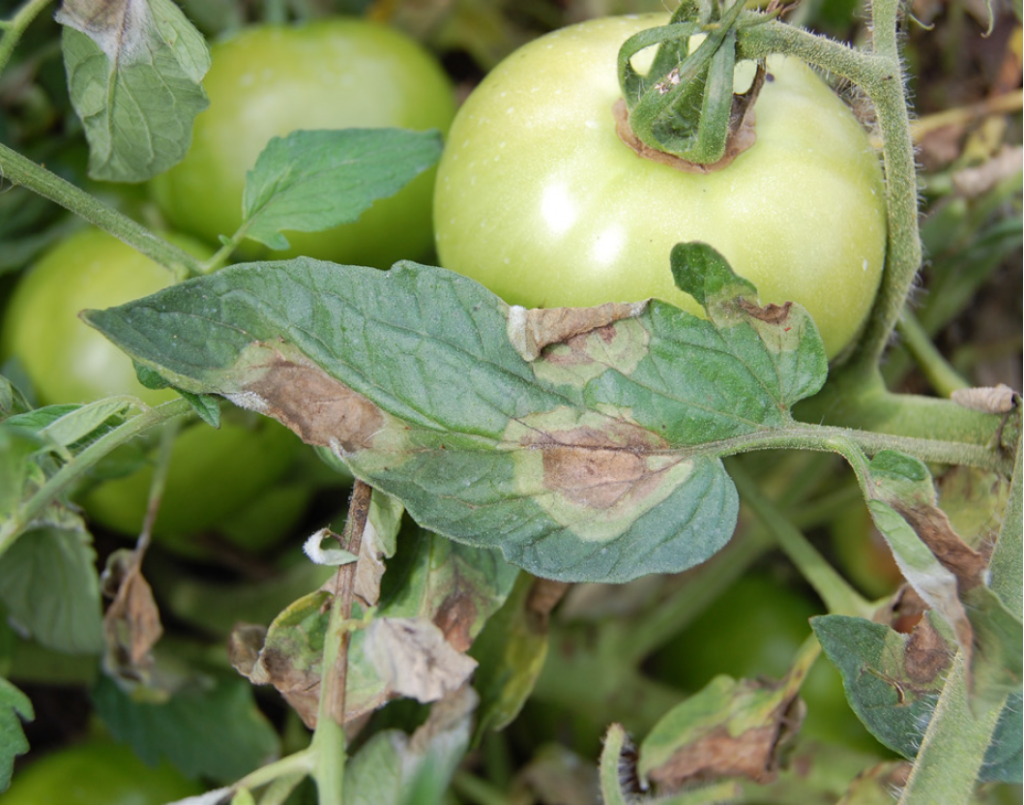
Vegetable Disease Resources
Learn more about common vegetable diseases, disease risk prediction tools, and other online and print resources.
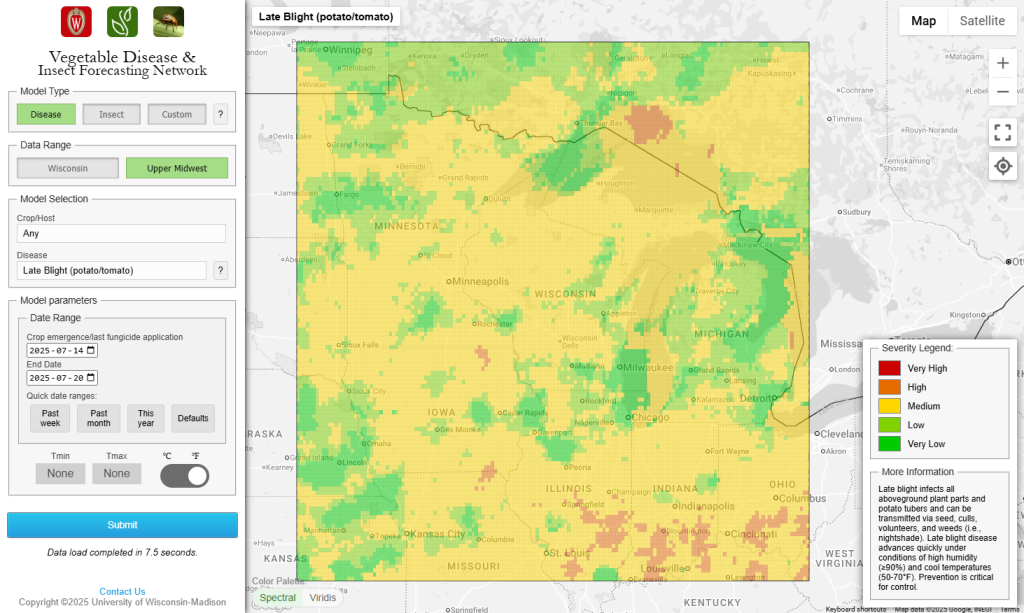
Decision Support Tools
View weather data and disease severity values in interactive charts for managing the risk of early blight and late blight of potato from a select set of locations in Wisconsin.
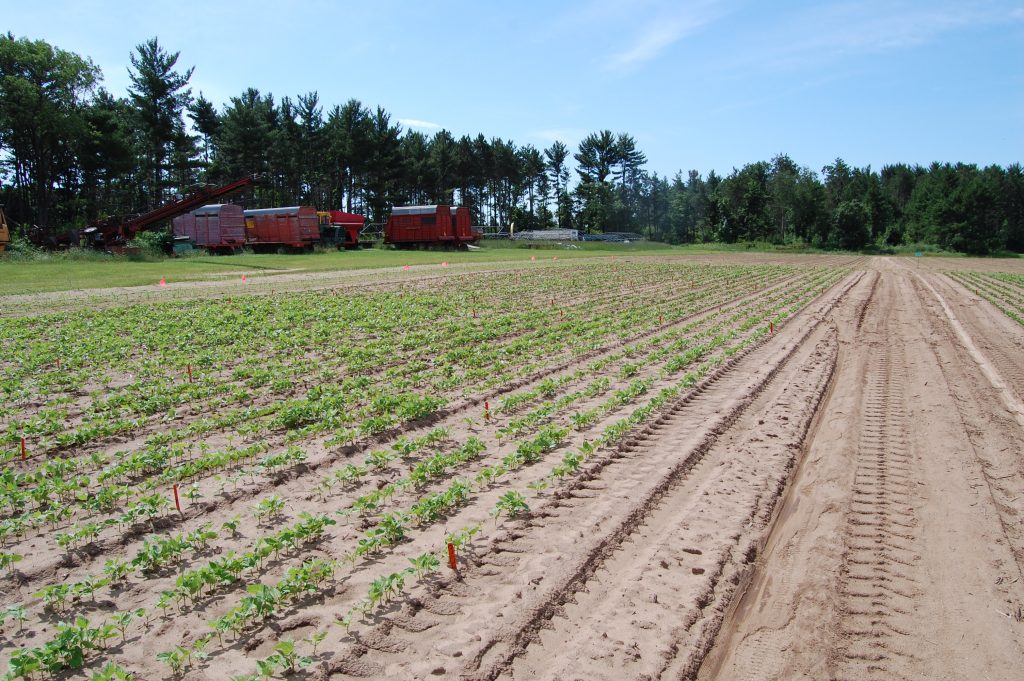
Field Trials and Publications
Find a list of our refereed journal publications or read our fungicide and disease management evaluations.
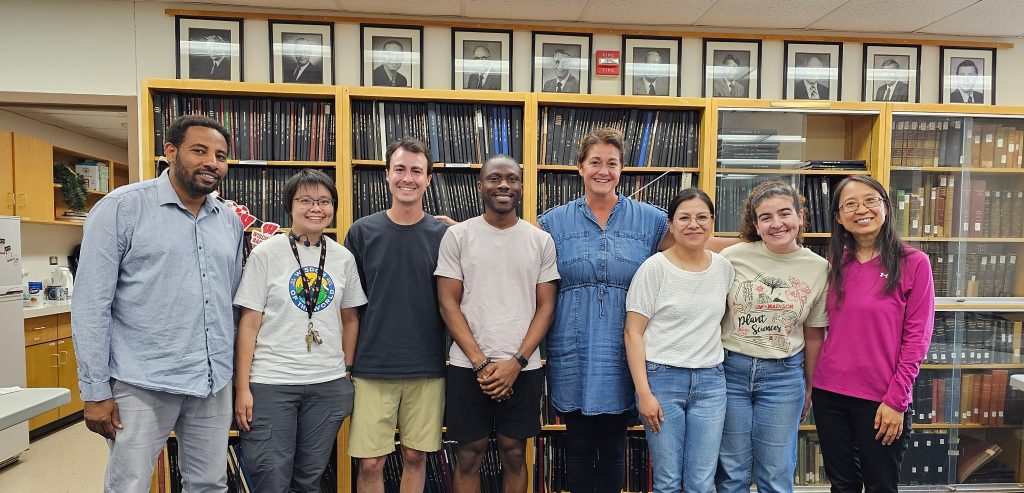
Lab Members
Lists of current and former lab members.