Disease Management
See below for selected disease management articles for Wisconsin vegetable production. More information may be available through our Newsletter and Disease Profiles.
-
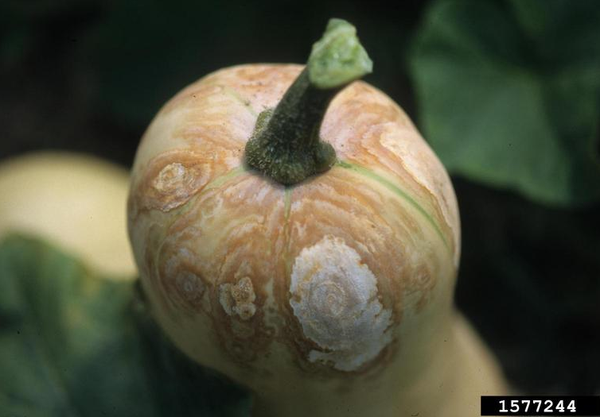
Protecting Winter Squash Quality from Harvest through Storage
As Wisconsin’s vegetable season moves into its final harvests, winter squash and pumpkins require careful handling to preserve the quality produced in the field. Fruit that appear marketable at harvest can deteriorate rapidly in storage when rind injuries, immature fruit, field infections, condensation, or poor air circulation favor decay. Careful harvest, grading, curing, and storage management are the most effective tools for limiting losses. Many storage rots begin in the field but do not become apparent until weeks after harvest. Other decay organisms enter through cuts, bruises, broken stems, or injuries caused during harvest and handling. Although the pathogens involved…
-
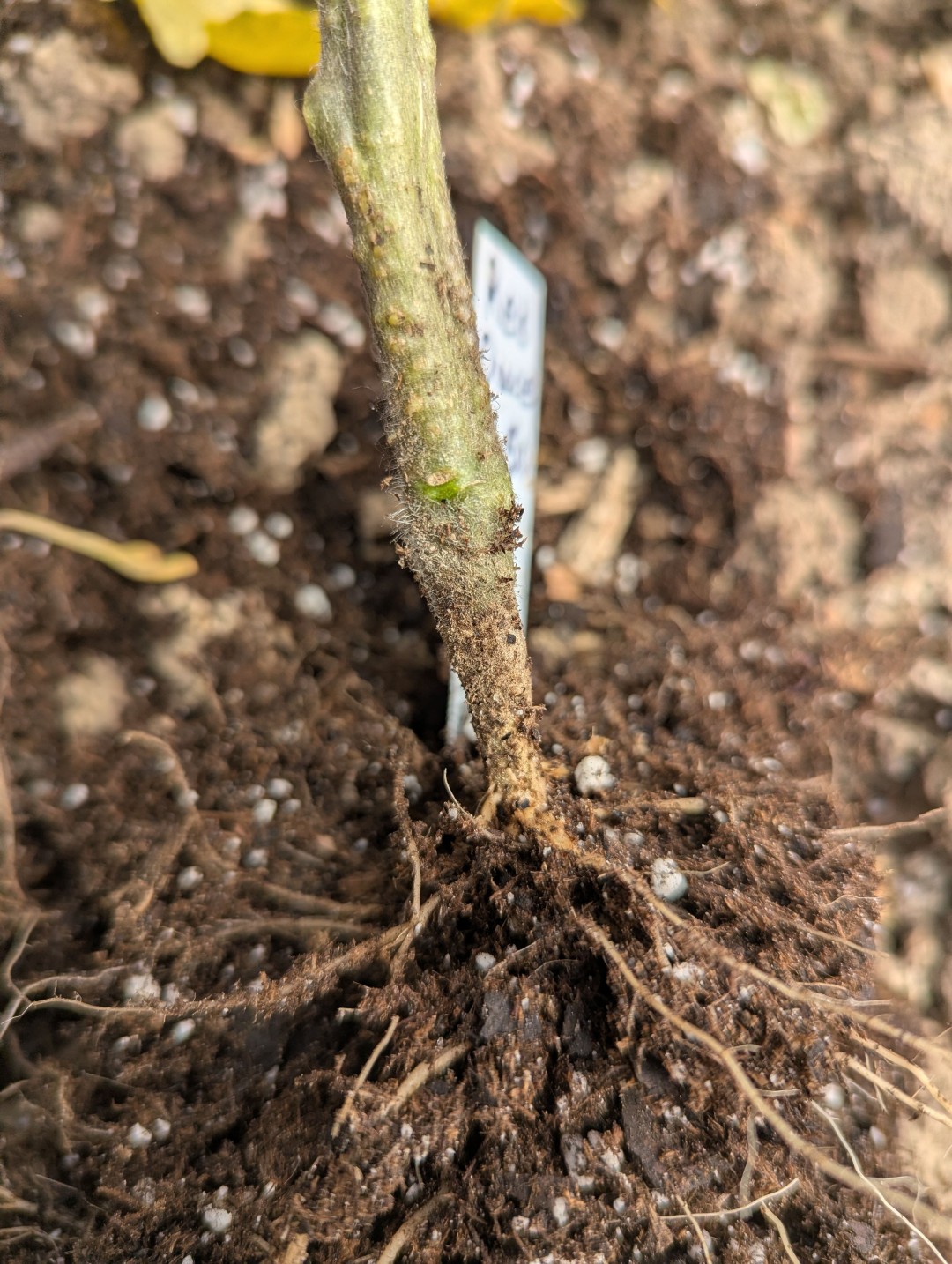
Rhizoctonia Root Rot and Stem Canker Management in Tomato Production
Rhizoctonia root rot and stem canker caused by the soilborne fungus Rhizoctonia solani can be a significant challenge in Wisconsin tomato production, especially under cool soils, excessive moisture, compacted soils, or where tomatoes follow susceptible vegetable crops. Disease symptoms often begin shortly after transplanting and include stem constriction at the soil line, poor root development, uneven vigor, lower stem lesions, and eventual plant decline. Management is most successful when an integrated approach is used that combines cultural practices with biological or fungicidal protection.
-
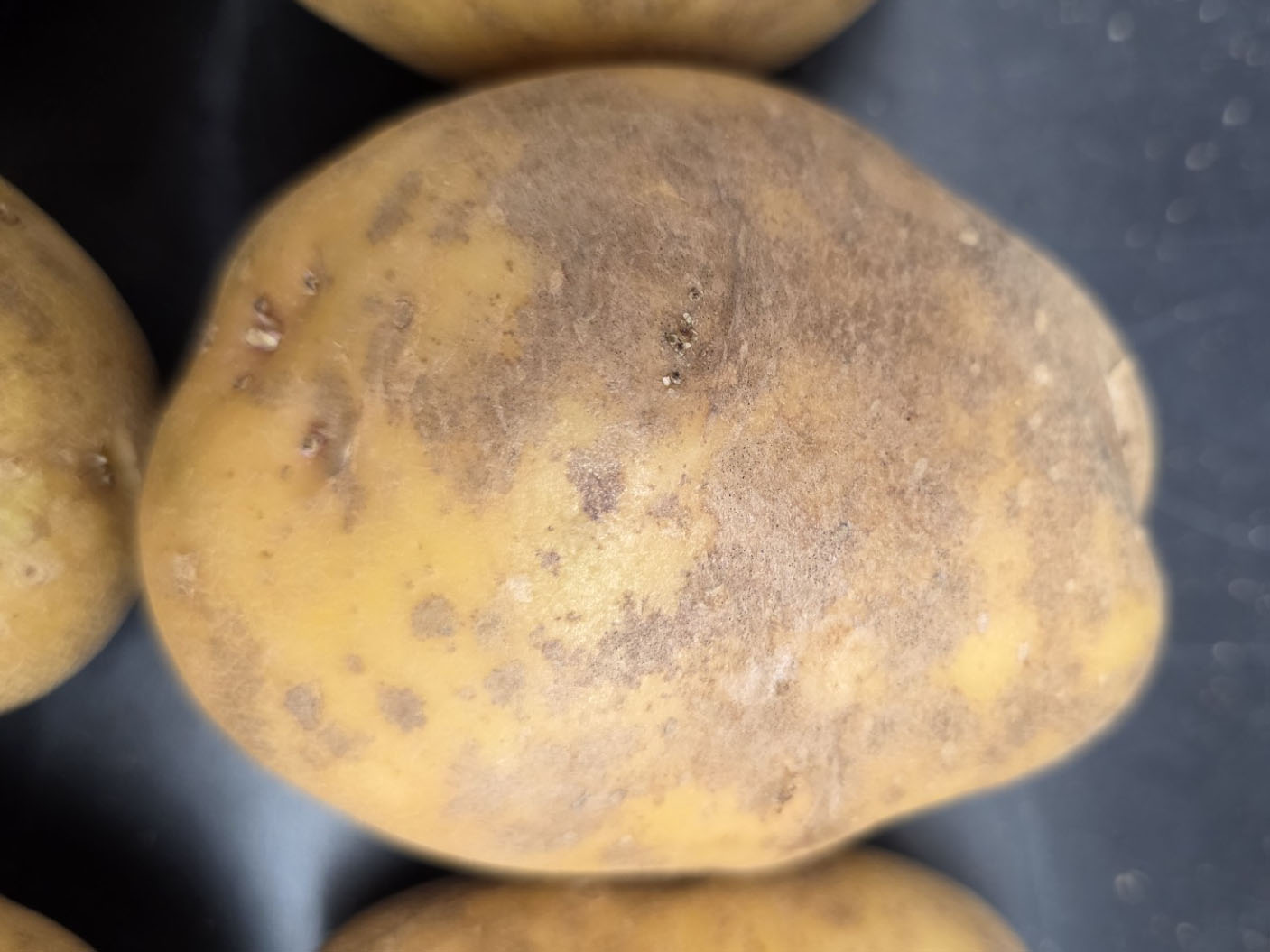
Black Dot & Silver Scurf Management in Potato
Wisconsin potato growers have increasingly reported concerns with black dot and silver scurf over the past several years. These diseases are often subtle during crop development yet can significantly impact tuber appearance, storability, and marketability by harvest and throughout storage. Unlike explosive diseases such as late blight, black dot and silver scurf tend to develop quietly and are heavily influenced by environmental stress, soil conditions, crop injury, and long-term production practices. As weather patterns become more variable and production systems evolve, these diseases appear to be gaining importance across the industry.
-
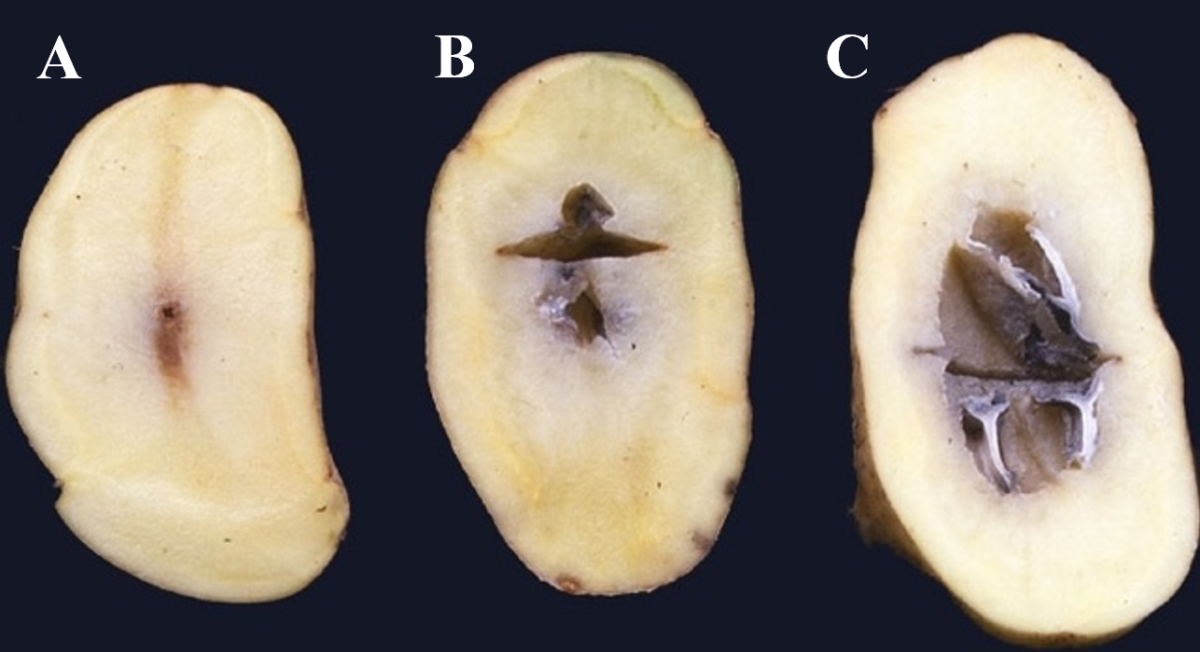
Internal Potato Tuber Defects: Hollow Heart and Heat Necrosis
Written by Yi Wang, Associate Professor & Extension Potato and Vegetable Production Specialist, UW–Madison, Dept. of Plant and Agroecosystem Sciences, 608-265-4781, Email: wang52@wisc.edu. Hollow heart Hollow heart, depending on its severity, is also called brown center. Brown center is a milder form of hollow heart. A brown discoloration without a visible flesh separation in the pith region of the tuber is known as brown center (a). The brown coloration results from inadequate mineral and carbohydrate concentrations in the affected tissues that reduce cell membrane integrity. Tubers are mostly susceptible to brown center during the period from tuber initiation through early…
-

Management of water molds and bacterial diseases of potato tubers in the post-harvest space
While every growing season typically offers a few weather hiccups, some years offer a few more extreme disruptions than typical. Extreme temperatures, in concert with moisture stress, exacerbate disease risk at the time of harvest and beyond. If test digs indicate pink eye (abiotic condition often resulting from high heat and moisture in the field), enlarged lenticels, or other physiological abnormalities, it’s important to be watchful for disease. The disease descriptions detailed below may help you identify disease conditions of the crop for prescriptive decision-making at harvest and beyond. Some of the most common and problematic potato tuber diseases in…
-

Late-Season Management of Black Dot and Silver Scurf in Wisconsin Potatoes
As the potato harvest season advances, late-season tuber diseases are of concern. Two diseases in particular—black dot (Colletotrichum coccodes) and silver scurf (Helminthosporium solani)—can diminish tuber quality, reduce storability, and lead to post-harvest losses. Managing these diseases requires careful attention in the late season, as cultural and harvest practices can influence disease.